
Five Signs Your Business Has Outgrown Spreadsheets
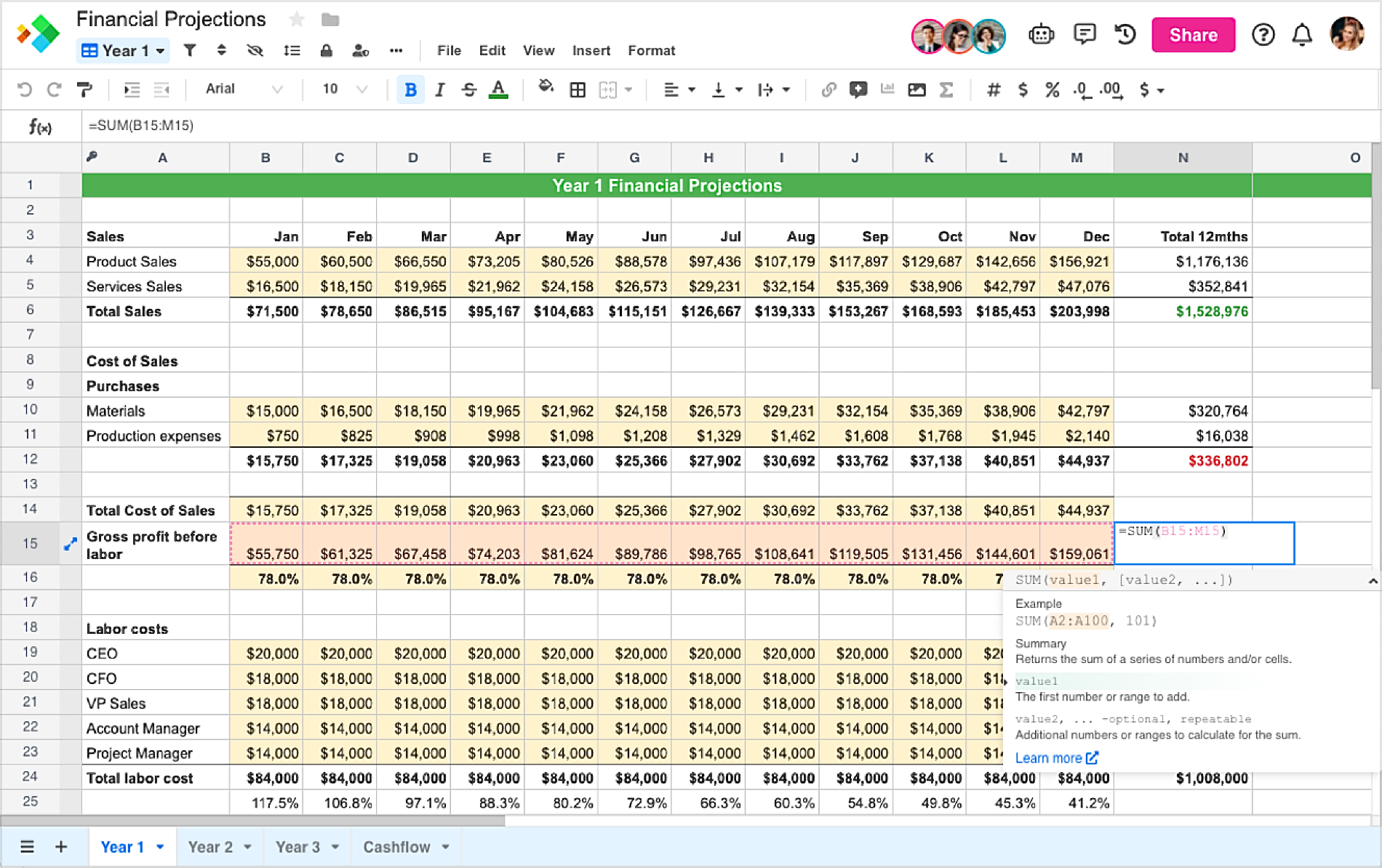
For many organisations, spreadsheets have been the backbone of day-to-day operations for years. They're familiar, flexible and easy to set up. But as businesses grow, so do the challenges of relying on manual processes to manage critical information.
If your organisation is managing hundreds or even thousands of assets, coordinating maintenance activities, tracking inventory or overseeing multiple projects, spreadsheets can quickly become a barrier to efficiency rather than a useful tool.
So, how do you know when it's time to move to a dedicated operational management system?
1. Your Team Is Entering the Same Information More Than Once
One of the biggest warning signs is duplicated data entry.
When asset details are stored in one spreadsheet, maintenance records in another and purchasing information somewhere else, employees spend unnecessary time updating multiple files. This not only reduces productivity but also increases the risk of inconsistent or inaccurate information.
A centralised system ensures everyone is working from the same, up-to-date data.
2. Finding Information Takes Too Long
How long does it take to answer questions such as:
- Where is a particular asset?
- When was it last serviced?
- Is it currently available?
- Does it have the correct certification?
If your team has to search through folders, emails or multiple spreadsheets, valuable time is being lost every day.
Having instant access to accurate information allows teams to make faster, more confident decisions.
3. You're Reacting to Problems Instead of Preventing Them
Missed maintenance schedules, expired certifications and unexpected equipment failures often happen because important dates are tracked manually.
Modern operational management software helps automate reminders, schedule preventative maintenance and provide alerts before issues become costly disruptions.
Moving from reactive to proactive management can significantly reduce downtime and improve asset reliability.
4. Reporting Has Become a Monthly Headache
Business leaders rely on accurate reporting to make informed decisions.
If producing management reports requires hours of manually combining data from multiple spreadsheets, there's a high chance that reports are already out of date before they're finished.
With integrated dashboards and reporting tools, organisations can monitor performance in real time, helping identify trends, control costs and improve operational planning. C-SAM's platform is designed to provide real-time visibility through configurable dashboards and reporting across operational activities.
5. Your Business Is Growing Faster Than Your Processes
Growth is exciting, but it also introduces greater complexity.
More customers.
More assets.
More projects.
More people.
Without systems that scale alongside your business, manual processes become increasingly difficult to manage.
Choosing a configurable, modular platform allows organisations to introduce new functionality as their requirements evolve, without replacing the entire system. C-SAM's modular approach enables businesses to combine areas such as asset management, maintenance, stock control, procurement and project management within a single platform.
Why It Matters
Replacing spreadsheets isn't simply about adopting new technology. It's about creating a more efficient, connected way of working.
When operational data is centralised, businesses benefit from:
- Better visibility across departments
- Improved collaboration
- More accurate reporting
- Reduced administrative workload
- Greater control over assets and operations
- Better-informed business decisions
To find out more call +44 (0) 1224 249550 or email sales@c-sam.co.uk